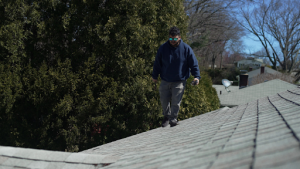
Common Mistakes Homeowners Make When Hiring for Roof and Siding Work

- Always verify credentials and licensing before hiring any contractor. This protects your investment and ensures compliance with local building codes.
- Don’t base your decision on price alone. The lowest bid often leads to inferior materials, rushed work, or hidden costs.
- Insist on a detailed, written estimate. It should outline materials, labor, timeline, warranties, and payment terms to avoid surprises.
- Choose a contractor experienced in both roofing and siding. Integrated knowledge ensures proper installation, water drainage, and energy efficiency.
- Check reviews, references, and a portfolio of past work. Look for consistent patterns in customer feedback and request recent project examples.
- Never skip the contract. A signed agreement is your legal protection and should clearly define scope, materials, cleanup, and warranties.
When it comes to protecting your home, the roof and siding are your first lines of defense against the elements. These two major components not only safeguard your home from water damage, wind, and temperature changes, but they also significantly contribute to its curb appeal and resale value. Hiring a residential roofing contractor who offers siding services may seem like a convenient and efficient option, but many homeowners unknowingly make costly mistakes during the hiring process. Whether it’s due to lack of research, overlooking credentials, or rushing the decision under pressure, these errors can lead to subpar workmanship, budget overruns, or worse—damage to your home’s structural integrity.
According to HomeAdvisor, the average homeowner spends between $5,400 and $19,800 on roof replacement and between $5,000 and $15,000 on siding, depending on the size of the home and materials used. With this kind of investment at stake, making informed hiring decisions is critical. Understanding common pitfalls and learning how to avoid them can save you thousands of dollars and a great deal of stress.
If you’re looking for a trusted, certified residential roofing contractor who offers siding services, Top Roof & Remodel provides detailed estimates, licensed professionals, and excellent customer service that make your home improvement experience smooth and worry-free.
In this guide, we will explore the most frequent mistakes homeowners make when hiring for roof and siding work, and offer actionable advice to help you make the best choice for your home improvement project.
1. Failing to Verify Credentials and Licensing
One of the most common mistakes homeowners make is hiring contractors without verifying their credentials. It may seem unnecessary or even uncomfortable to ask for proof, but doing so is essential to protect your investment.
What to check:
- State or local contractor license
- Proof of liability and worker’s compensation insurance
- Manufacturer certifications (e.g., GAF, Owens Corning)
- Better Business Bureau (BBB) accreditation
Why it matters:
- Ensures the contractor is operating legally
- Protects you from liability in case of accidents or damage
- Validates their knowledge of building codes and standards
2. Choosing Based on Price Alone
While it’s natural to want to save money, opting for the cheapest quote can lead to unexpected expenses down the line. Low-ball estimates often mean subpar materials, rushed work, or hidden costs.
Common consequences:
- Cheap materials that fail prematurely
- Poor workmanship leading to leaks or structural issues
- Contractors disappearing before the project is complete
Better approach:
- Compare multiple estimates
- Look beyond price—assess value, professionalism, and detail
- Ask about warranties on materials and labor
3. Not Asking for Detailed Estimates
Another critical mistake is accepting vague or verbal quotes. A professional residential roofing contractor who offers siding services will provide a written, detailed estimate.
What a proper estimate should include:
- Breakdown of labor and materials
- Project timeline with start and end dates
- Cleanup and disposal details
- Payment schedule and terms
Benefits of a detailed estimate:
- Prevents surprise charges
- Acts as a point of reference if issues arise
- Helps you compare apples-to-apples between contractors
4. Ignoring Experience with Both Roofing and Siding
Hiring a contractor with limited expertise in one area can lead to misaligned or incompatible installation techniques. Roofs and siding must work together to protect your home.
Why dual-experience matters:
- Coordinated water drainage and sealing
- Better understanding of flashing, soffits, and trim intersections
- Improved energy efficiency through seamless installation
Questions to ask:
- How many roofing and siding projects have you completed?
- Can you show before-and-after photos or testimonials?
5. Not Checking References or Online Reviews
Word-of-mouth and online reviews are powerful tools to evaluate a contractor’s reputation. Skipping this step can expose you to contractors with a history of poor service or unfinished jobs.
How to research effectively:
- Request at least three recent references and call them
- Check Google, Yelp, Angi, and the BBB for reviews
- Look for patterns—multiple complaints about delays or poor communication are red flags
6. Overlooking Warranty and After-Service Guarantees
Warranties are your safety net against defects and premature failure. Unfortunately, many homeowners don’t inquire about them until it’s too late.
What to look for:
- Manufacturer warranties for materials (typically 20–50 years)
- Workmanship warranties (typically 1–10 years)
- Transferability if you sell your home
Ask your contractor:
- What happens if there’s a leak after installation?
- Who handles warranty claims—the contractor or manufacturer?
7. Not Getting a Written Contract
Verbal agreements leave room for misinterpretation. A written contract protects both you and the contractor by clearly defining expectations.
What to include in a contract:
- Full scope of work
- Material specifications (brands, colors, grades)
- Payment terms and conditions
- Permits and inspections required
Red flags:
- The contractor refuses to sign a contract
- Vague language or missing details
8. Failing to Clarify Cleanup and Debris Removal
Roofing and siding projects generate a lot of waste. If cleanup isn’t specified, you may be left with nails, debris, or damaged landscaping.
Clarify in advance:
- Dumpster or hauling services included?
- Will they use magnetic tools to pick up nails?
- Who is responsible for lawn or gutter damage?
Tips:
- Request a final walk-through
- Take before photos of your lawn and flower beds
9. Hiring Without Seeing a Portfolio or Physical Samples
Photos and physical samples help you visualize the final result and confirm material quality. Contractors who can’t provide these may lack experience or professionalism.
What to request:
- High-resolution photos of past jobs
- Sample shingles, siding boards, and trim colors
- Mockups or rendering tools if available
10. Overlooking Local Experience and Knowledge
A contractor unfamiliar with your region may not understand local building codes, climate considerations, or permit requirements.
Why it matters:
- Climate-specific recommendations (e.g., ice shield in colder regions)
- Knowledge of local zoning and permitting timelines
- Existing relationships with inspectors and suppliers
Ask:
- How long have you been working in this area?
- Are you familiar with city or HOA requirements?
✅ FAQ
- What should I look for in a residential roofing contractor who offers siding services?
Look for proper licensing, insurance, proven experience with both roofing and siding, customer references, and detailed written estimates. A contractor should also offer warranties and use high-quality materials. - Why is it risky to hire the cheapest contractor?
Choosing the lowest bid often results in poor materials, rushed work, or unlicensed contractors. This can lead to costly repairs or complete do-overs. - Can one contractor handle both roofing and siding efficiently?
Yes, but only if the contractor is specifically trained and certified in both areas. Ask for project examples and client references related to both services. - What’s the average cost for roof and siding work?
Roof replacement averages $5,400–$19,800. Siding costs typically range from $5,000–$15,000, depending on materials and home size. Detailed estimates help avoid budget surprises. - How can I verify a contractor’s credentials?
Check licensing with your state’s contractor board, search for their business profile on the Better Business Bureau, and browse customer reviews on platforms like Angi. - Should I sign a roofing or siding contract without reading the fine print?
No. Always review contract terms, including payment schedules, timelines, warranties, and dispute resolution clauses before signing anything. - How do I know if a contractor is overcharging me?
Compare at least 3 quotes, break down the costs, and research average local prices. An unusually high or low bid should raise a red flag.
Roof and siding upgrades are two of the most important investments you can make in your home, both for protection and appearance. However, rushing the hiring process, failing to do proper research, or prioritizing cost over quality can lead to expensive and time-consuming problems down the road. By understanding the common mistakes homeowners make when hiring for roof and siding work—and taking proactive steps to avoid them—you’ll be much more likely to find a residential roofing contractor who offers siding services that meet both your expectations and your budget.
Start with careful research, insist on proper licensing and insurance, ask for detailed estimates, and ensure your contractor has proven experience in both roofing and siding. The convenience of working with a single contractor can be valuable, but only if that contractor brings the necessary qualifications, reputation, and transparency to the job.
Remember, your home is a long-term investment. Choosing the right professionals for your roof and siding projects not only enhances your home’s value but also ensures peace of mind.
For additional guidance on what to look for in a reliable contractor, the Better Business Bureau (BBB) offers a searchable directory of accredited businesses with consumer reviews. Likewise, Angi provides detailed tips on hiring roofing contractors, including warning signs to avoid.
By taking the time to avoid these common mistakes, you’re ensuring your home is in the hands of professionals who care about delivering quality craftsmanship and long-term protection.